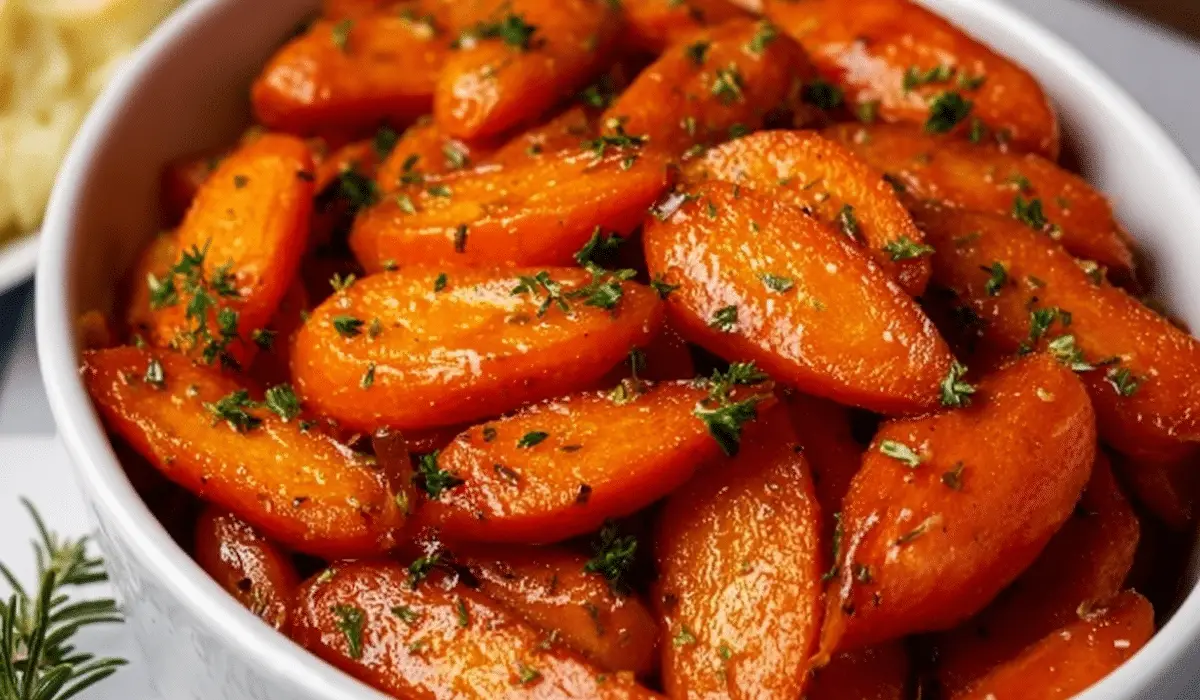
Imagine a side dish so captivating it steals the spotlight from the main course, a vibrant jewel on your plate that delights with every bite. This isn't a culinary myth; it's the magic of glazed carrots. Far from being a mere afterthought, these glossy, tender, and perfectly balanced sweet-and-savory wonders possess an undeniable charm. They transform humble carrots into an elegant accompaniment that elevates any meal, from a festive holiday spread to a simple weeknight dinner.
For generations, home cooks have embraced the simple yet profound joy of glazed carrots. It’s a dish that evokes a sense of nostalgia, a warm, comforting aroma wafting through the kitchen, promising something truly special. Whether it was your grandmother's secret recipe or a beloved dish discovered at a family gathering, the allure of perfectly cooked carrots enveloped in a rich, buttery glaze is universal. In this comprehensive guide, we'll delve into the art and science of mastering glazed carrots, ensuring your version becomes a cherished favorite at your table.
The Enduring Appeal of Glazed Carrots: A Sweet & Savory Symphony
What makes glazed carrots so irresistible? It’s a delicate interplay of textures and flavors. The natural sweetness of the carrots, intensified through cooking, is beautifully complemented by a luscious glaze that offers depth, richness, and often a hint of spice. This sweet and savory contrast is what truly sets them apart, creating a palate-cleansing counterpoint to richer main dishes.
Historically, versions of glazed vegetables have graced tables for centuries, a testament to their timeless appeal. While specific recipes may vary – some favoring maple syrup, others honey, and many, like our guide, championing brown sugar – the core concept remains. There's a traditional feel to them, an unspoken promise of warmth and comfort that makes them a staple during holidays like Thanksgiving and Christmas, yet versatile enough for any occasion. Their vibrant orange hue also adds a much-needed splash of color to an otherwise monochromatic plate, enhancing visual appeal.
Beyond their sensory delights, glazed carrots offer incredible versatility. They pair seamlessly with almost any main course you can imagine. Hosting a grand holiday feast? Glazed carrots are the perfect companion to roasted turkey, succulent ham, or a hearty prime rib. Preparing a cozy weeknight meal? They’re an ideal partner for grilled chicken, baked fish, or even a robust vegetarian lentil loaf. Their ability to adapt and enhance, rather than overpower, other flavors is a significant part of their magic. This unassuming side dish consistently garners rave reviews, proving that sometimes, the simplest preparations yield the most profound culinary experiences.
Crafting the Perfect Glaze: The Heart of the Dish
The secret to truly spectacular glazed carrots lies in the glaze itself – a sublime concoction that coats each carrot in a shimmering, flavorful embrace. While seemingly simple, mastering this element is key to achieving that coveted balance of sweetness, richness, and a subtle savory depth.
The Classic Brown Sugar & Butter Base
At its core, the most beloved brown sugar glazed carrots rely on a foundation of melted butter and brown sugar. This dynamic duo creates a harmonious blend that is both comforting and sophisticated. As the butter melts and the brown sugar dissolves, it undergoes a magical transformation. The sugars begin to caramelize, developing complex, nutty notes that are far more nuanced than simple sweetness. This caramelization process is what gives the glaze its rich color and depth, turning it into a silky, clingy coating that adheres beautifully to the carrots. The fat from the butter also carries the flavors, ensuring every bite is infused with the luscious glaze.
Beyond the Basics: Elevating Your Glaze with Flavor Enhancers
While the classic butter and brown sugar glaze is phenomenal on its own, a few thoughtful additions can elevate your glazed carrots from excellent to extraordinary. Think of these as your secret weapons for customizing the flavor profile to suit your palate and the accompanying meal:
- Warm Spices: A pinch of cinnamon, nutmeg, or even a touch of ground ginger can infuse the glaze with a cozy warmth, perfect for fall and winter meals. These spices complement the natural sweetness of carrots wonderfully.
- Citrus Brightness: A splash of fresh orange juice or a teaspoon of orange zest can cut through the richness of the glaze, adding a vibrant, refreshing counterpoint. Lemon zest can also provide a subtle lift.
- Sweet Alternatives: While brown sugar is classic, maple syrup or honey can be used interchangeably or in combination. Maple syrup offers a distinct, earthy sweetness, while honey provides a delicate floral note. Experiment to find your favorite!
- Savory Twists: A tiny dash of cayenne pepper introduces a surprising sweet-and-spicy kick that balances the sugar beautifully. For an even more savory profile, a whisper of fresh thyme or a finely minced shallot added to the butter at the start can deepen the flavor.
- Liquor Infusion: For an adult twist, a tablespoon of bourbon or a sweet sherry can add a layer of sophisticated flavor to the glaze, though this is purely optional.
The beauty of glazed carrots lies in their flexibility. Don't be afraid to experiment with these additions to create a signature version that truly reflects your culinary creativity.
Choosing and Preparing Your Carrots for Optimal Glazing
The foundation of any great dish begins with quality ingredients. For glazed carrots, this means selecting the right carrots and preparing them thoughtfully to ensure even cooking and maximum flavor absorption.
Whole Carrots vs. Baby Carrots: A Matter of Preference and Time
When it comes to carrot choice, you generally have two main options:
- Whole Carrots: Often the preferred choice for superior flavor and texture. Varieties like Nantes or Danvers carrots offer a rich, sweet flavor and a tender, crisp texture when cooked properly. When using whole carrots, the key is to cut them uniformly. Slicing them on the bias (diagonally) into 1/2 to 3/4-inch thick pieces not only looks elegant but also increases the surface area, allowing more of that delicious glaze to cling to each piece and promoting better caramelization. Consistent thickness is paramount to ensure all pieces cook evenly, preventing some from becoming mushy while others remain too firm.
- Baby Carrots: A convenient shortcut if you're short on time. While they may not develop the same depth of caramelized flavor as whole carrots, they still make a delicious glazed side dish. Look for fresh, firm baby carrots with a vibrant orange color. Ensure they are roughly the same size to promote even cooking.
Expert Tip: Always taste your carrots before cooking. Their natural sweetness can vary, influencing how much sugar you might want in your glaze.
Selecting the Freshest Carrots
Regardless of whether you choose whole or baby carrots, freshness is key. Here's what to look for:
- Firmness: Carrots should be firm and snap easily. Avoid any that are soft, rubbery, or bendy.
- Color: Look for a vibrant, deep orange color throughout. Dull or pale carrots may be past their prime.
- Greens (if applicable): If buying whole carrots with their tops, the greens should be fresh, bright green, and not wilted. This is a good indicator of overall freshness.
- Smooth Skin: The skin should be relatively smooth and free from large cracks, blemishes, or sprouts.
Once selected, thoroughly wash and peel your carrots. Even if using "baby" carrots, a quick rinse and pat dry is recommended.
Step-by-Step Guide to Glazed Carrot Perfection
Now that you have your perfectly chosen and prepared carrots, let's get down to the cooking methods that will transform them into culinary masterpieces. The goal is always a tender-crisp texture with a luscious, clinging glaze.
Stovetop Simmering Method: The Classic Approach
The stovetop method is perhaps the most traditional and forgiving way to make glazed carrots, allowing you to closely monitor the glaze's development.
- Par-Cook the Carrots: For consistently tender carrots, it's often best to par-cook them slightly before adding them to the glaze. You can steam them until just tender-crisp (about 5-7 minutes for sliced carrots) or boil them in salted water for a similar duration. Drain thoroughly. This step ensures the carrots will be perfectly cooked through without the glaze reducing too much.
- Melt the Glaze Base: In a large, wide skillet or sauté pan over medium heat, melt your butter. Once melted, stir in the brown sugar (or maple syrup/honey) until dissolved.
- Add Liquids and Flavorings: If using, stir in any additional liquids like orange juice, a splash of water, or even a touch of broth, along with your chosen spices (cinnamon, nutmeg, cayenne). Bring the mixture to a gentle simmer.
- Introduce the Carrots: Add the par-cooked carrots to the simmering glaze. Toss gently to coat them evenly.
- Simmer and Reduce: Continue to simmer the carrots, stirring occasionally, for 8-12 minutes. The goal is for the liquid to reduce and thicken, clinging to the carrots. As the glaze concentrates, it will become glossy and syrupy. Keep an eye on the heat; you want a gentle simmer, not a rolling boil, to prevent burning the sugar.
- Finish and Serve: Once the carrots are tender with a slight bite (not mushy!) and coated in a shiny, reduced glaze, remove them from the heat. Taste and adjust seasoning with a pinch of salt if needed. Serve immediately.
Oven Roasting Method: For Deeper Caramelization
While the stovetop method is fantastic, oven roasting offers a slightly different texture – often a bit more caramelized and intensified flavor, especially if you enjoy a slightly crisper edge on your carrots.
- Prepare the Carrots: As with the stovetop method, you can lightly par-cook your carrots for about 5 minutes (steaming or boiling) to ensure they become tender in the oven. Alternatively, if you prefer a firmer texture, you can roast them raw. Cut them uniformly.
- Create the Glaze Coating: In a large bowl, whisk together melted butter, brown sugar, and any additional flavorings (spices, citrus juice).
- Toss and Spread: Add the carrots to the glaze mixture and toss until they are thoroughly coated. Spread the carrots in a single layer on a large baking sheet lined with parchment paper or foil (for easy cleanup). Avoid overcrowding the pan; use two sheets if necessary, as overcrowding will steam rather than roast the carrots.
- Roast to Perfection: Roast in a preheated oven at 400°F (200°C) for 20-30 minutes, or until the carrots are tender and beautifully caramelized. Halfway through roasting, gently toss the carrots to ensure even cooking and glazing.
- Serve: Remove from the oven, give a final toss to redistribute any collected glaze, and serve immediately.
Expert Tips for Glazed Carrot Success
- Don't Overcook: The ideal glazed carrot is tender but still has a slight bite, not mushy.
- Mind the Glaze: Pay attention to the glaze as it cooks. Sugar can burn quickly, especially towards the end of the process. If it looks like it's getting too thick or browning too fast, reduce the heat.
- Seasoning is Key: A small pinch of salt can really enhance the sweetness and balance the overall flavor. Don't forget to taste and adjust!
- Garnish for Impact: A sprinkle of fresh parsley, chives, or a dash of toasted sesame seeds just before serving adds freshness, color, and another layer of texture.
- Make Ahead: Glazed carrots can be made a few hours in advance and gently reheated on the stovetop over low heat with a splash of water or butter to loosen the glaze.
Serving Suggestions and Creative Pairings
Glazed carrots are incredibly versatile and can enhance a wide array of meals. For holiday spreads, they are a natural partner to roasted meats, complementing the richness of turkey, ham, or roast beef with their bright sweetness. During casual weeknight dinners, they can elevate simple proteins like pan-seared chicken breast, pork chops, or even baked salmon.
Consider garnishing your masterpiece with a sprinkle of fresh chopped parsley or chives for a pop of green and herbaceous freshness. Toasted pecans or walnuts can add a delightful crunch and nutty flavor, while a hint of flaky sea salt at the very end can provide a wonderful textural contrast and brighten the overall taste. For a sophisticated touch, a dusting of finely grated orange zest just before serving will impart a lovely aroma and visual appeal.
Conclusion
Glazed carrots are more than just a side dish; they are a celebration of simple ingredients transformed into something extraordinary. Their vibrant color, delightful sweet and savory balance, and comforting warmth make them a universally loved addition to any table. By understanding the nuances of carrot selection, mastering the art of the glaze, and employing precise cooking techniques, you can consistently achieve that perfect harmony of tender texture and shimmering, flavorful coating. So go ahead, embrace the magic of glazed carrots, and watch as this humble vegetable steals the spotlight, bite after delicious bite, proving that perfection often lies in the most beautifully executed simplicity.
